Highlighting the PALTmed Clinical Practice Guideline for Stroke Management in the LTC Setting
May is designated American Stroke Month by the American Heart Association. Strokes are the primary cause of long-term disability in the United States and have several impactful complications, including permanent weakness or paralysis, depression, difficulty swallowing and speaking, and the loss of independence due to decreased mobility.
A significant percentage of residents in nursing homes have either experienced a stroke or are at risk for stroke; the cumulative risk of stroke in the 5 years after an initial stroke is 32%. This emphasizes the need to maintain a strong knowledge base on stroke management, so this month the Probari team wants to highlight the PALTmed Stroke Clinical Practice Guideline as an invaluable resource available to your clinical team, which provides information and guidance on:
Facility Preparedness and Staff Education
Identify residents at risk and the preventative measures that can be implemented
Recognizing the signs of a stroke vs other conditions with stroke-like symptoms
Considerations of hospital transfer for evaluation and treatment
Post-stroke assessment and care management
Having a clinical team that is confident in its ability to identify residents’ needs regarding stroke prevention and management is invaluable, and we hope this resource will serve as a tool to support your interdisciplinary team’s clinical practice.
We encourage you to engage with your Medical Director to develop a collaborative approach to implementing a comprehensive Stroke Management program in your facility.
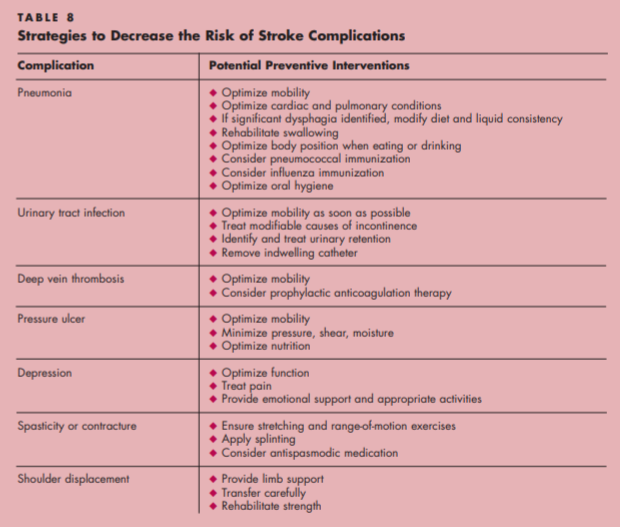
The PALTMed Stroke clinical practice guideline (linked below) reviews multiple aspects of stroke prevention, recognition, and management, including strategies that can be put into practice in the nursing home setting to prevent stroke complications.